
 ja
ja
生活のあらゆる場面での情報保護
OHMIEX Intelligenceをフォローして、より有益な情報を早く入手しましょう

OHMIEX Intelligenceをフォローして、より有益な情報を早く入手しましょう
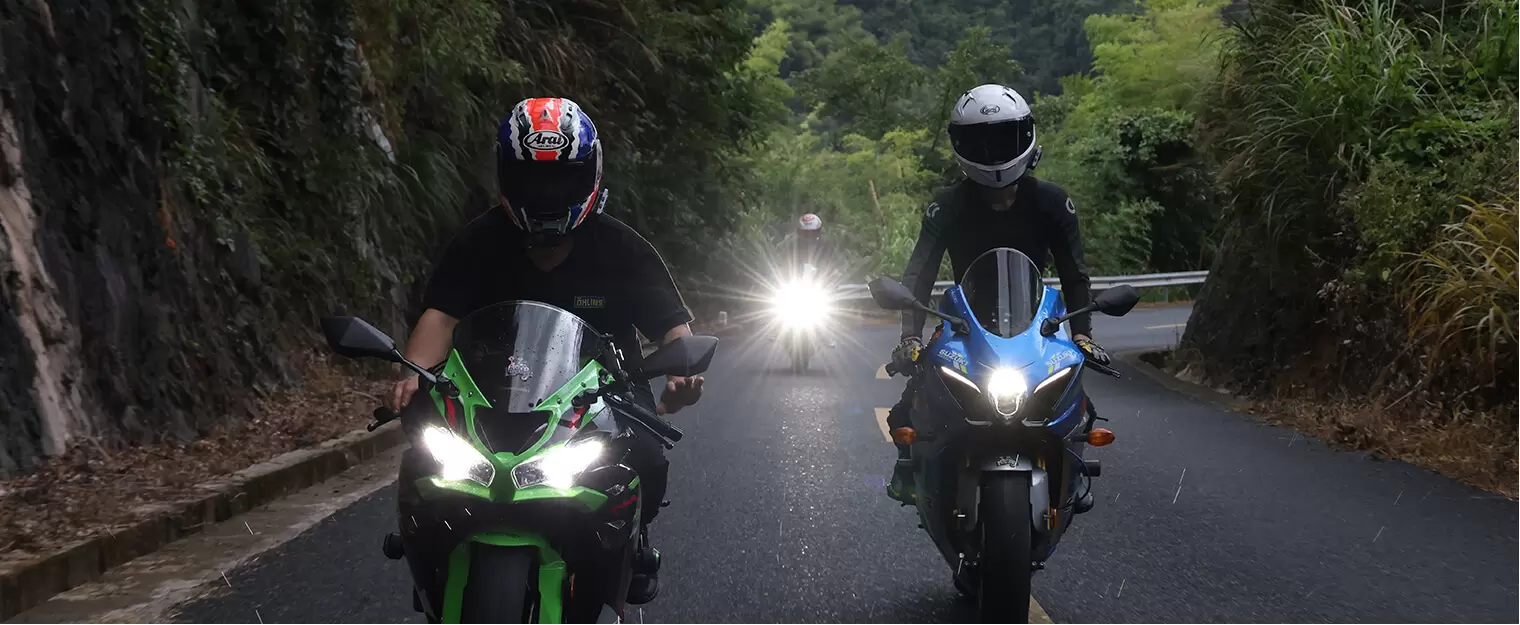
In the motorcycle gear industry, “reliability” is often treated as a marketing adjective—something implied by phrases like premium quality or professional-grade. Yet anyone who has spent time developing, sourcing, or deploying riding communication systems knows this word hides a far more complex reality. Reliability is not a single feature, nor is it the result of one strong specification on a datasheet. It is a system—one that must hold together under speed, weather, vibration, and long-term use.
In riding communication, the cost of failure is immediate and tangible. A dropped instruction on a mountain road, distorted audio in strong crosswinds, or unstable connections during group riding do not just affect user satisfaction; they directly influence safety, trust, and brand reputation. For this reason, reliability cannot be reduced to “good quality.” It must be engineered deliberately, tested continuously, and maintained across the entire product lifecycle.
At OHMIEX, we view reliability as a long-chain responsibility rather than a short-term achievement. It begins well before a product reaches a rider’s helmet and continues long after it leaves the factory.
In many product discussions, reliability is evaluated after launch—through warranty data, user feedback, or failure rates. In reality, the foundation of reliable riding communication is laid much earlier, at the architecture and component selection stage.
Chipsets, microphones, speakers, and wireless modules are not interchangeable commodities. Each choice affects signal stability, power management, thermal behavior, and long-term consistency. For example, a chipset that performs well in laboratory conditions may degrade noticeably when exposed to prolonged heat or voltage fluctuation. Similarly, microphone performance on a test bench tells very little about how it behaves inside a helmet at 100 km/h with turbulent airflow.
This is why early-stage engineering decisions carry disproportionate weight. Reliability is often lost not through dramatic design flaws, but through marginal choices made to optimize short-term cost or accelerate time-to-market.
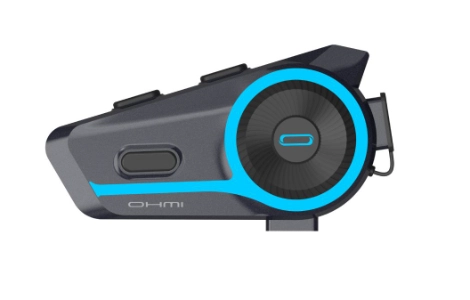
One of the most misunderstood aspects of riding communication reliability is noise cancellation. Too often, it is framed as a simple comparison of specifications or marketing claims. In practice, true noise cancellation is not a static function; it is an evolving algorithmic process.
Wind noise on a motorcycle is not uniform. It varies by helmet shape, riding posture, speed, weather, and road conditions. A system that performs acceptably in one environment may fail completely in another. Effective noise cancellation therefore depends on exposure to massive volumes of real-world data, collected across diverse riding scenarios.
At OHMIEX, algorithm development focuses on solving a specific, practical problem: how riders can hear navigation instructions or voice communication clearly at sustained high speeds. This requires repeated field testing, iterative tuning, and a willingness to refine solutions long after the hardware design is finalized. In this context, reliability is not about claiming the strongest noise reduction figure—it is about delivering consistent intelligibility when it matters.
In global markets, certifications such as FCC and CE are often treated as proof of product maturity. In reality, they are only entry requirements. Passing regulatory tests confirms compliance, not durability.
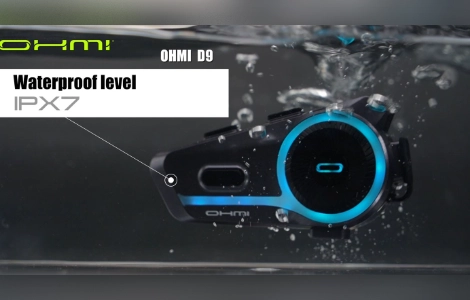
Professional-grade riding communication systems must endure conditions that exceed standard certification protocols. Long-term exposure to vibration, rapid temperature changes, high humidity, and altitude variation places stress on solder joints, connectors, batteries, and enclosures in ways that short-duration tests cannot fully simulate.
Reliability, therefore, depends on cyclic testing and environmental validation that reflect actual riding use rather than idealized laboratory conditions. Plateau testing, high-temperature aging, humidity cycling, and continuous vibration trials are not optional if long-term performance is the goal. They are the difference between a product that passes inspection and one that maintains performance over years of real-world use.
Technology alone does not create reliable products. Professionalism does.
In a B2B context, professionalism is expressed through consistency: consistent materials, consistent processes, and consistent decision-making even when shortcuts are tempting. It means refusing to substitute components without proper validation, maintaining traceability across the supply chain, and accepting longer development cycles when necessary to protect end-user experience.
This discipline is particularly important for brands and distributors operating in multiple regions. Variations in climate, riding culture, and regulatory expectations amplify the consequences of small inconsistencies. A product that performs reliably in one market but fails prematurely in another ultimately damages the brand everywhere.
世界的なブランドや販売代理店にとって、乗馬コミュニケーション ソリューションの価値は、その機能セットだけではなく、バッチ、シーズン、市場全体で繰り返し提供されるエクスペリエンスにもあります。ここが、B2B コラボレーションと単発製品の販売との根本的な違いです。
サプライヤーが信頼性をクレームではなくシステムとして扱う場合、それは共有されたコミットメントになります。設計上の決定、テストプロトコル、文書標準、およびアフターセールスサポートはすべて、「プロフェッショナルグレード」という最終的な認識に貢献します。
OHMIEX では、この哲学がパートナーとの連携方法を形作ります。目標は、発売時に優れたパフォーマンスを発揮する製品を提供することではなく、長期間にわたって安定したエクスペリエンスをサポートすることです。なぜなら、長期的な評判は最初の販売後に何が起こるかによって築かれるからです。
これは、業界全体のより広範な疑問につながります。アクセサリを「プロフェッショナル グレード」と表現する場合、その長期的な商業的成功を本当に決定するものは何でしょうか?
それはサプライチェーンのトレーサビリティであり、すべてのコンポーネントを説明し、一貫して再現できることを保証するものでしょうか?
保守性を考慮した設計になっており、製品のサービス、更新、サポートを長期間にわたって効率的に行うことができますか?
それとも、実際の状況では仕様では決して明らかにされない弱点が露呈するような、極端な環境でも一貫したパフォーマンスを発揮するのでしょうか?
実際には、信頼性はこれらすべての要素の相互作用から生まれます。それは単一の成果ではなく、規律、検証、説明責任の継続的なプロセスです。
ライディング通信システムが現代のオートバイにとってより不可欠なものになるにつれて、業界の信頼性の定義も成熟する必要があります。パフォーマンス指標や認証ロゴを超えて、隠れた基準、つまり市場に出すのは難しいが、守ることが不可欠なものが、最終的にユーザーの信頼とブランドの寿命を形づくるものです。
私たちは、この会話は業界内でオープンに行う価値があると信じています。信頼性はスローガンとしてではなく、企業がライダー、パートナー、そして市場全体に対する責任をどれだけ真剣に受け止めているかを反映するシステムとして議論されるべきです。
永続する信頼を築きましょう
要求の厳しい市場向けにライディング コミュニケーション製品を開発または調達している場合、信頼性を前提としてはいけません。それは共通のエンジニアリング目標である必要があります。
OHMIEX では、ブランドや販売代理店と緊密に連携して、現実世界のライディング要件を長期にわたって一貫して機能する通信システムに変換します。
新しいプロジェクトを評価している場合でも、既存のソリューションを再評価している場合でも、信頼性をどのように設計、テスト、維持できるかを一緒に検討するための技術的な会話を歓迎します。
次のプロフェッショナルグレードのライディングコミュニケーションソリューションについてご相談になりたい場合は、お問い合わせください。
 Email
Email WhatsApp